
Placement review
Review proposed and existing detector locations in the context of the property layout and applicable requirements. Final placement should be based on the project conditions rather than a generic room count.
Salinas Electrician Services is an independent information and enquiry website operated by Kurtis Online Holdings LLC. The site operator does not perform the advertised services, provide estimates, or arrange work. No service contractor is currently assigned to this website.
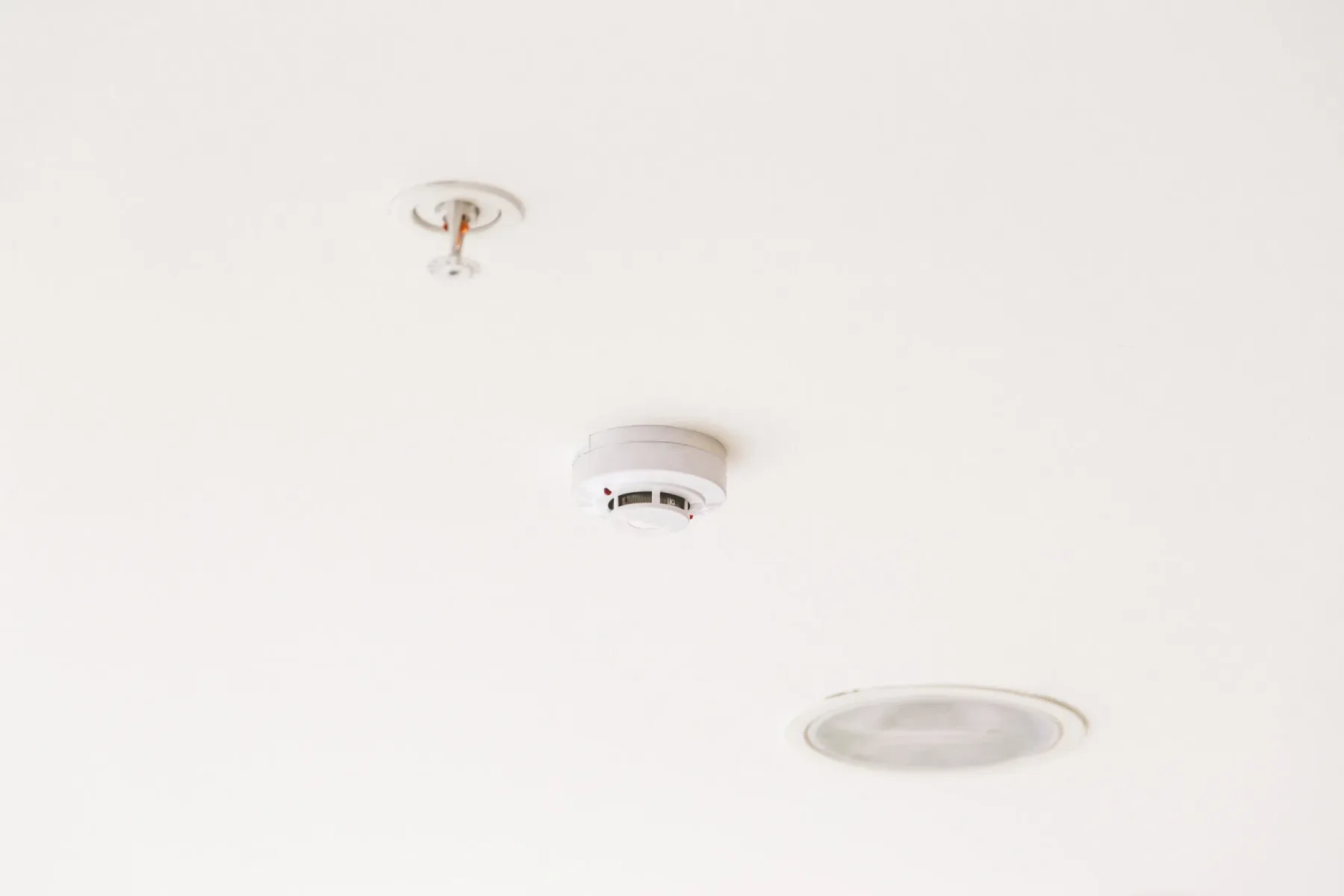
Smoke and carbon monoxide detectors are small devices with an important job. Installation may involve more than attaching a new alarm to a ceiling or wall: the existing power source, detector locations, interconnection, device compatibility, and condition of related wiring can all affect the scope. Property owners and managers in Salinas can request an assessment and written estimate for detector installation or replacement.
A useful starting point is the property itself. The number and arrangement of rooms, sleeping areas, levels, existing alarms, and available wiring can affect what work is appropriate. Rather than assuming every building needs the same detector setup, the project should be scoped from the actual conditions and the requirements that apply to that property.
Service can be considered for homes, rental properties, and other buildings where smoke or carbon monoxide detector electrical work is needed. An on-site assessment can identify existing devices and connections before recommendations, pricing, or scheduling are finalized.
Owners commonly investigate detector work when devices are being replaced, an existing alarm no longer operates as expected, a property is being renovated, or the current arrangement needs to be reviewed. A device that chirps, appears damaged, does not respond normally, or has an uncertain installation history may also warrant closer evaluation. Those symptoms do not, by themselves, establish the cause or determine whether existing work complies with applicable requirements.
Hardwired alarms can introduce electrical questions that a simple device swap does not answer. Existing wiring, connections, interconnection arrangements, and compatibility between devices may need to be examined. Where another electrical issue is discovered, that condition can be separated from the detector scope and discussed before additional work proceeds.
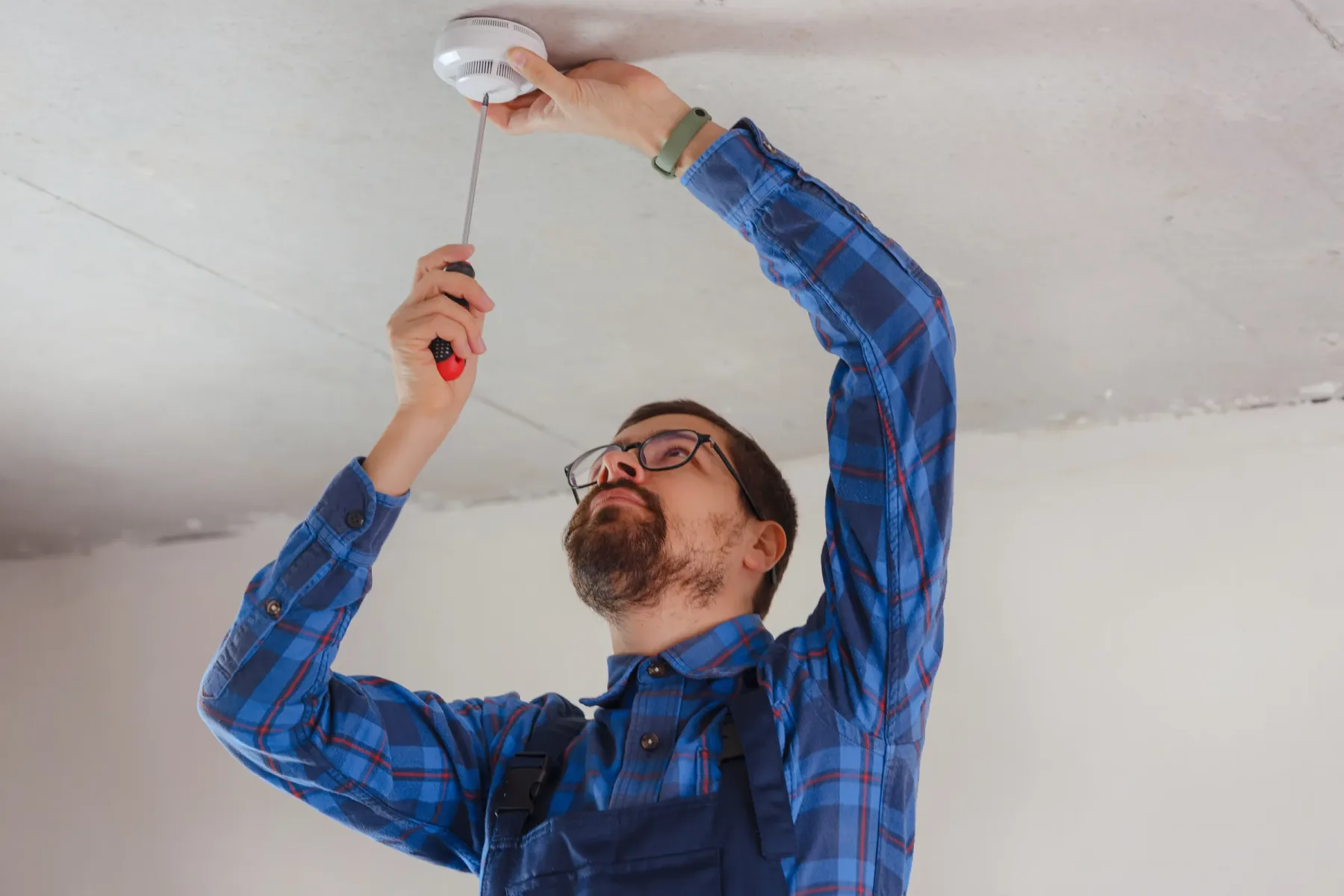
The appropriate scope depends on the building and existing system. An assessment can document what is present and define the proposed work instead of relying on assumptions about concealed wiring or prior installations.

Review proposed and existing detector locations in the context of the property layout and applicable requirements. Final placement should be based on the project conditions rather than a generic room count.
Evaluate existing smoke or carbon monoxide alarms that are being replaced and identify relevant power, mounting, connection, and compatibility considerations before specifying new devices.
Where the project uses hardwired or interconnected detectors, inspect accessible connections and define the electrical work required for the proposed arrangement. Existing systems should not be assumed compatible without evaluation.
If the assessment reveals a separate wiring, circuit, or panel concern, that issue can be documented for discussion. Larger electrical work should have its own clearly defined scope rather than being silently added to a detector project.
Clear scoping is especially useful when several detectors or an existing interconnected system are involved. Project scope, pricing, and timelines are confirmed in a written estimate and contract.
Provide basic information about the property, the existing detectors, any known symptoms, and whether the request involves replacement, additional devices, or investigation of an existing system.
The on-site review can consider detector locations, visible device information, accessible electrical connections, and other conditions relevant to the requested work. Concealed conditions may not be known until appropriate access is available.
The estimate should identify the work proposed and clarify relevant exclusions or assumptions. If additional electrical work becomes advisable, it should be communicated rather than treated as part of an undefined original scope.
Permit and inspection requirements depend on the work and the authority with jurisdiction. When they apply, they should be accounted for as part of project planning rather than represented as optional obstacles to avoid.
Ask for a written description of the detector work, the devices or system characteristics being addressed, pricing, and any project-specific assumptions. If field conditions require a material change after work begins, the revised work and cost should be documented through the appropriate written process before it is treated as part of the project.
California contractor credentials should also be checked rather than inferred from a website. Verify license status with the Contractors State License Board before hiring any contractor, and confirm that the license carries the classification appropriate to the work being advertised. C-10 is the California electrical contractor classification referenced for this service category.
Website information is general guidance and is not a substitute for an on-site assessment. No statement on this page determines whether an existing detector, circuit, or installation is code-compliant. Property conditions and applicable requirements need to be evaluated for the individual project.
These answers explain common planning considerations without assuming the condition or requirements of a particular Salinas property.
Sometimes replacement is straightforward, but that should not be assumed before checking the existing device, connection, wiring arrangement, and compatibility with other interconnected alarms. An assessment can establish the appropriate scope.
Detector systems can use interconnection arrangements, but the appropriate method depends on the devices, existing electrical setup, and project requirements. Existing components should be evaluated before specifying how new devices will work together.
The answer depends on the property layout and requirements applicable to the project. A site-specific review is more appropriate than choosing a quantity from a general rule without considering the building.
Permit and inspection requirements depend on the actual work and the relevant authority. The project scope should be reviewed before determining what approvals apply; required permits or inspections should not be skipped.
An unexpected wiring or circuit condition can change the work required. The condition should be discussed and any additional scope, pricing, or timing documented before additional work is authorized.
Salinas Electrician Services is an independent information and enquiry website operated by Kurtis Online Holdings LLC. The site operator does not perform the advertised services, provide estimates, or arrange work. No service contractor is currently assigned to this website. Your enquiry is received by Kurtis Online Holdings LLC, not by a service contractor. It is not a booking or estimate request.