
Adding electrical demand
New equipment can change the load the electrical system is expected to serve. The existing service and panel can be evaluated alongside the proposed addition instead of assuming panel replacement is automatically necessary.
Salinas Electrician Services is an independent information and enquiry website operated by Kurtis Online Holdings LLC. The site operator does not perform the advertised services, provide estimates, or arrange work. No service contractor is currently assigned to this website.
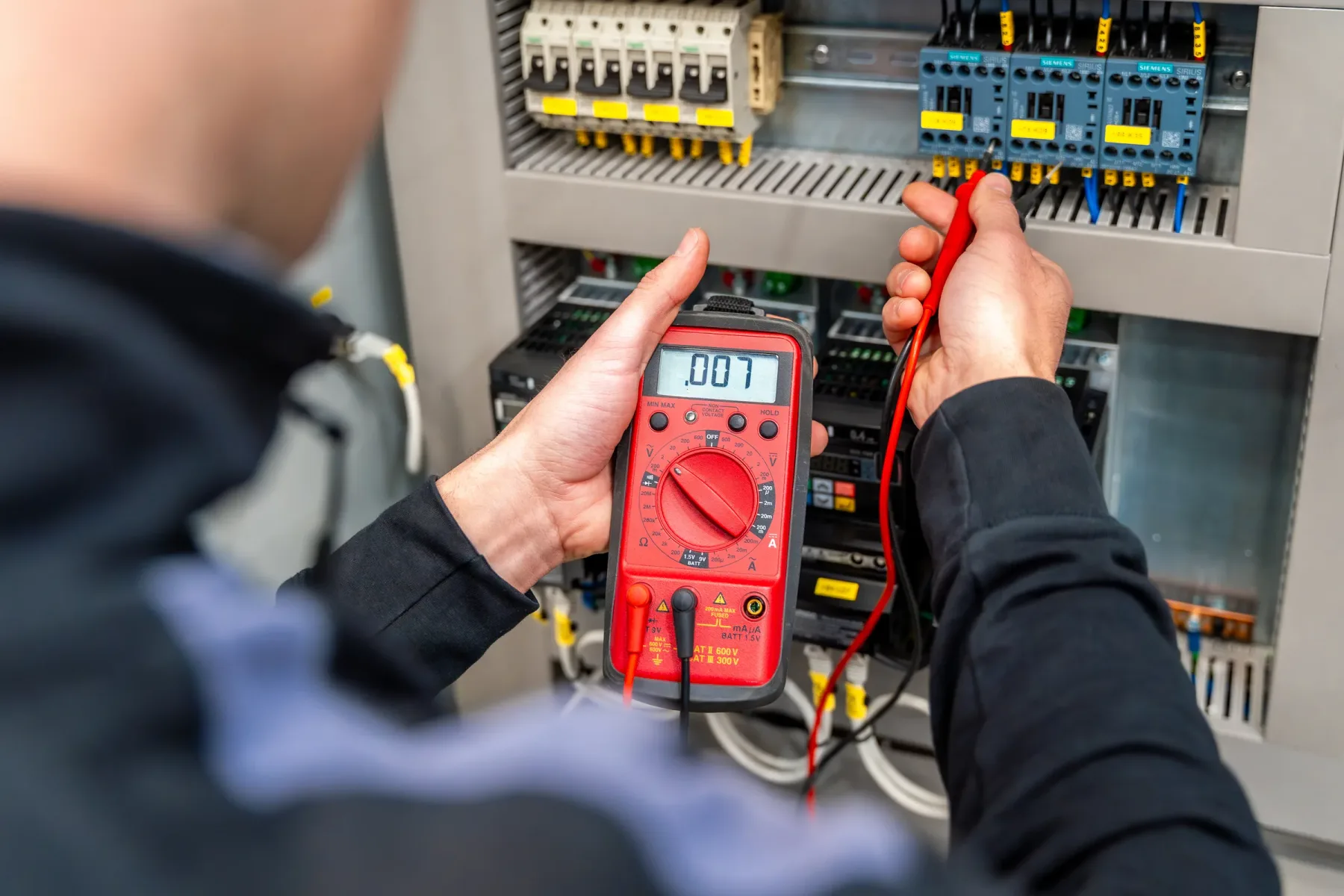
An electrical panel upgrade can involve more than replacing a panel and breakers. Existing service conditions, proposed electrical loads, equipment, permit and inspection requirements, and possible utility coordination can all affect the project. An on-site assessment helps define what work is appropriate before pricing and scheduling are finalized.
Panel projects may begin because an owner is adding electrical equipment, changing the service arrangement, replacing existing equipment, or evaluating available capacity. The appropriate solution depends on the installation at the property rather than a standard panel-upgrade package.
For a Salinas property, documenting the current installation and the reason for the proposed change provides a practical starting point. That information can guide discussion of scope, permitting, inspections, access, utility involvement, and related electrical work without assuming every property requires the same solution.
A panel assessment can be useful when planned electrical work may affect available capacity or when existing equipment is part of a larger project. A website cannot establish that a particular panel is unsafe, inadequate, or noncompliant; property-specific conclusions require an appropriate assessment.
Share plans for new equipment or remodeling during the initial discussion. The requirements of an EV charger, appliance, or other electrical addition can influence how the existing system should be evaluated.
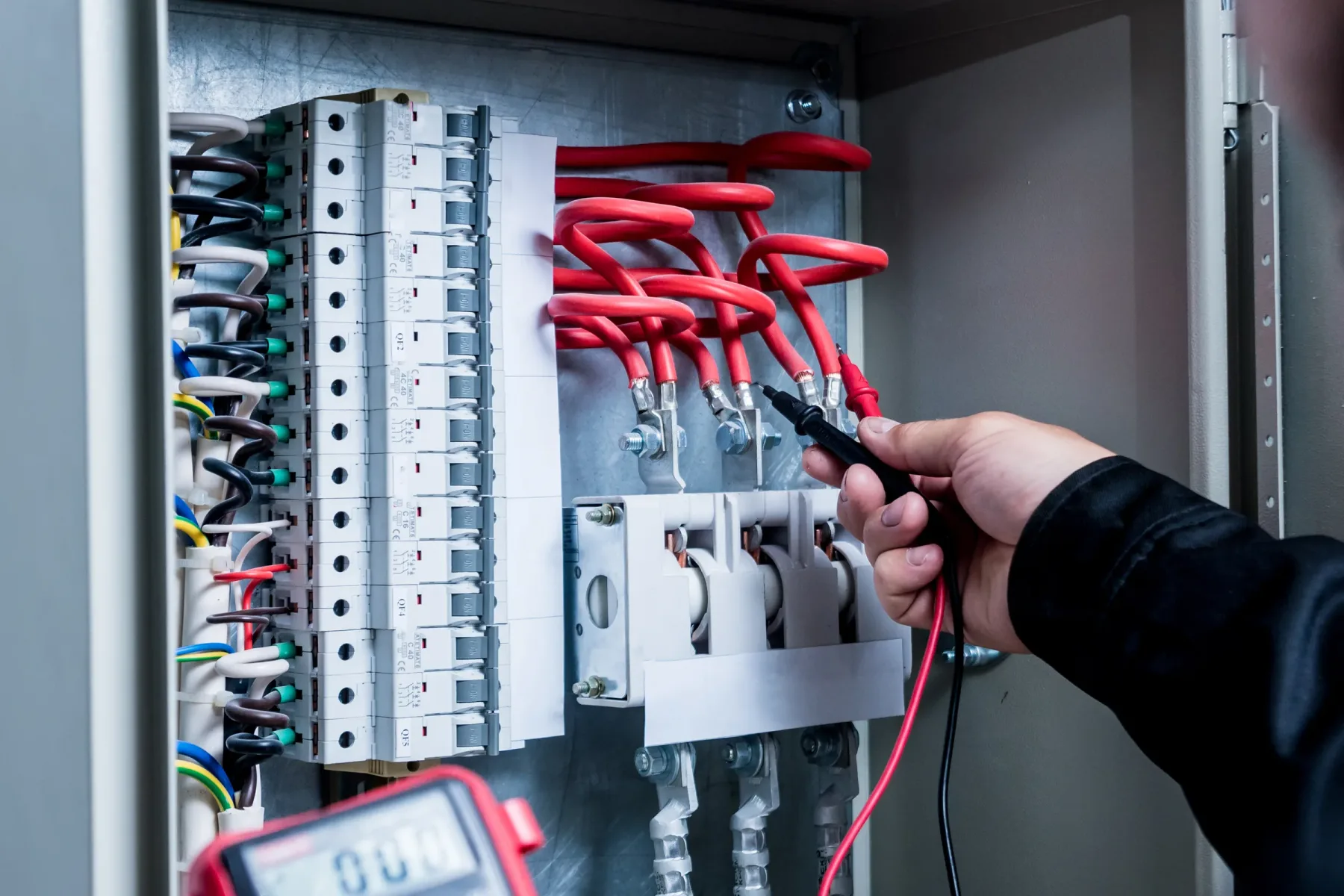
New equipment can change the load the electrical system is expected to serve. The existing service and panel can be evaluated alongside the proposed addition instead of assuming panel replacement is automatically necessary.
Panel replacement or reconfiguration may be considered when existing equipment is involved in a broader electrical project. The assessed site conditions determine what belongs in the proposed scope.
When an EV charger or another substantial electrical addition is planned, evaluating panel capacity early can identify dependencies before installation work is scheduled.
A useful estimate should describe the proposed work instead of relying only on the phrase “panel upgrade.” Depending on assessed conditions, the project may involve panel equipment replacement, service-related electrical work, circuit connections, labeling, or other work directly associated with the installation. The specific scope should be documented for the property.
Permit and inspection requirements are set by the applicable authority. Some service changes can also involve coordination with the electric utility. When applicable, contractor work, utility responsibilities, inspections, and their sequencing should be identified during planning rather than assumed.
This information site does not represent a licensed service contractor. Verify the identity, current license and applicable classification of any contractor independently before hiring or entering a contract.
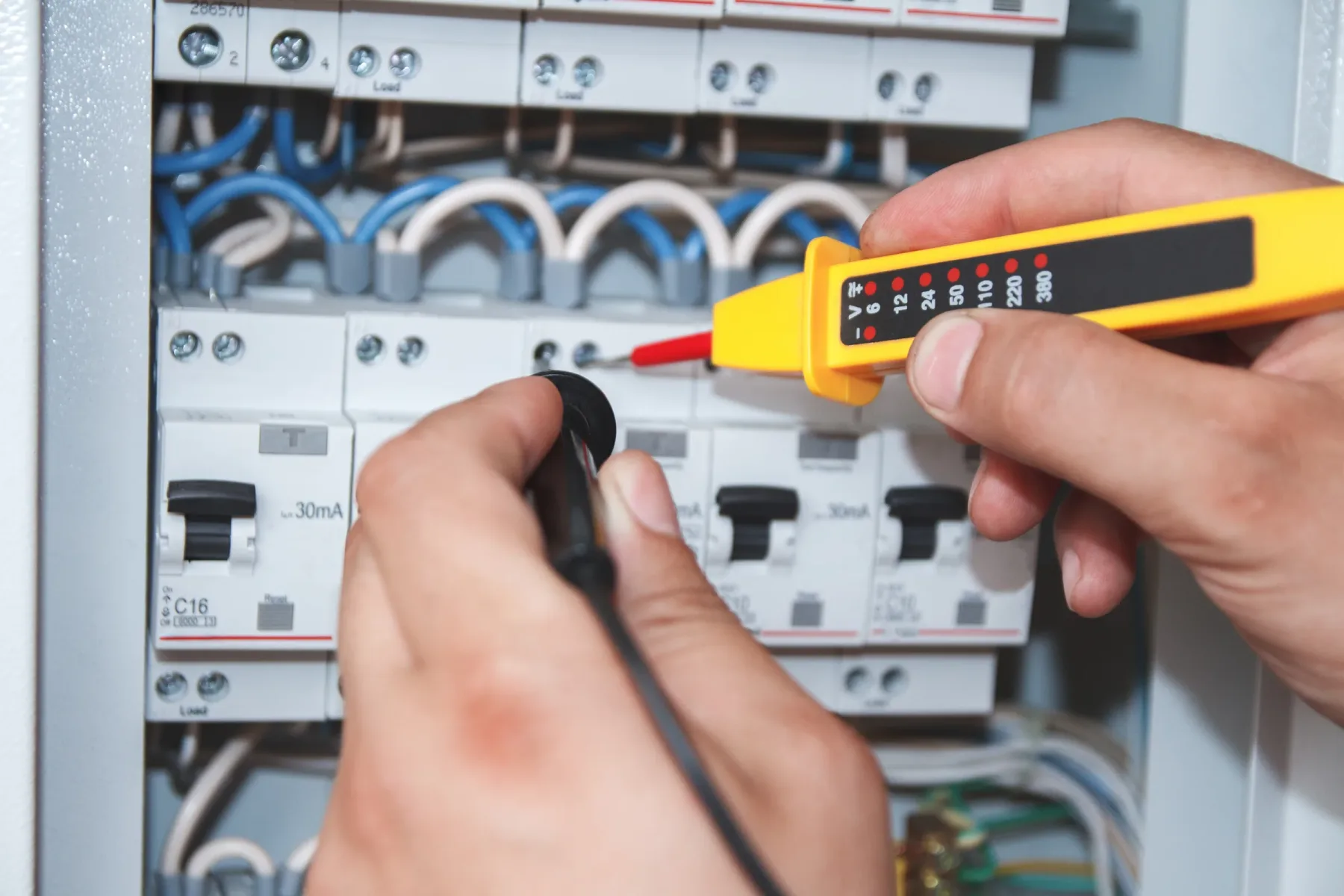
A defined process helps distinguish the proposed work from items dependent on inspections, utility involvement, or site conditions. Exact sequencing varies by property and applicable requirements.
The assessment should consider the existing panel and service, accessible conditions relevant to the work, and proposed electrical loads. Photos and project details can assist initial communication, but website information and submitted photos are not substitutes for an on-site assessment.
The estimate should describe the proposed work and important assumptions or exclusions so the owner can understand what is being priced. Project scope, pricing, and timelines are confirmed in a written estimate and contract.
Where permits, inspections, or utility coordination apply, those requirements should be incorporated into planning. Required permits and inspections should not be treated as optional shortcuts.
Work proceeds according to the written project scope, with applicable inspection and coordination steps addressed. If concealed or previously unknown conditions materially change the work, the revised scope should be documented rather than assumed to be part of the original estimate.
A panel estimate should provide enough detail to understand and compare the proposed work. Review the equipment and electrical work included, major exclusions, responsibility for permit or utility steps where applicable, and the basis for pricing and scheduling. Differences between estimates may reflect different scopes rather than price alone.
Ask how changes will be documented if site conditions alter the agreed work. Written change documentation can clarify added or removed work, related costs, and scheduling effects. Warranty and workmanship terms should likewise be reviewed in the project's written documents rather than assumed from general website information.
This information site does not represent a licensed service contractor. Verify the identity, current license and applicable classification of any contractor independently before hiring or entering a contract.
These answers address common planning questions. Requirements for a particular Salinas or Monterey County property depend on the installation, proposed work, and applicable authorities.
No general rule should be assumed from the type of equipment alone. The existing electrical system and proposed load need to be assessed before determining whether panel replacement or another change is appropriate. This is also relevant when planning EV charger installation.
Permit and inspection requirements depend on the work and the authority with jurisdiction. Requirements should be confirmed for the specific project, and required permits and inspections should be incorporated into the project plan.
It can when utility involvement applies to the planned service work. Sequencing may depend on responsibilities assigned to the utility, contractor, and inspecting authority, so timing should be evaluated after those dependencies are understood.
Compare the described equipment and work, exclusions, permit responsibilities, utility coordination where applicable, and written terms. Ask for clarification when one proposal includes work that another does not describe.
Use the Contractors State License Board's license-check resources to verify current business identity, license number, and classification. For electrical contracting, confirm the applicable C-10 classification rather than relying only on an advertising statement.
Salinas Electrician Services is an independent information and enquiry website operated by Kurtis Online Holdings LLC. The site operator does not perform the advertised services, provide estimates, or arrange work. No service contractor is currently assigned to this website. Your enquiry is received by Kurtis Online Holdings LLC, not by a service contractor. It is not a booking or estimate request.